Posted on November 13, 2026 by College of Sciences
#FacultySpotlight

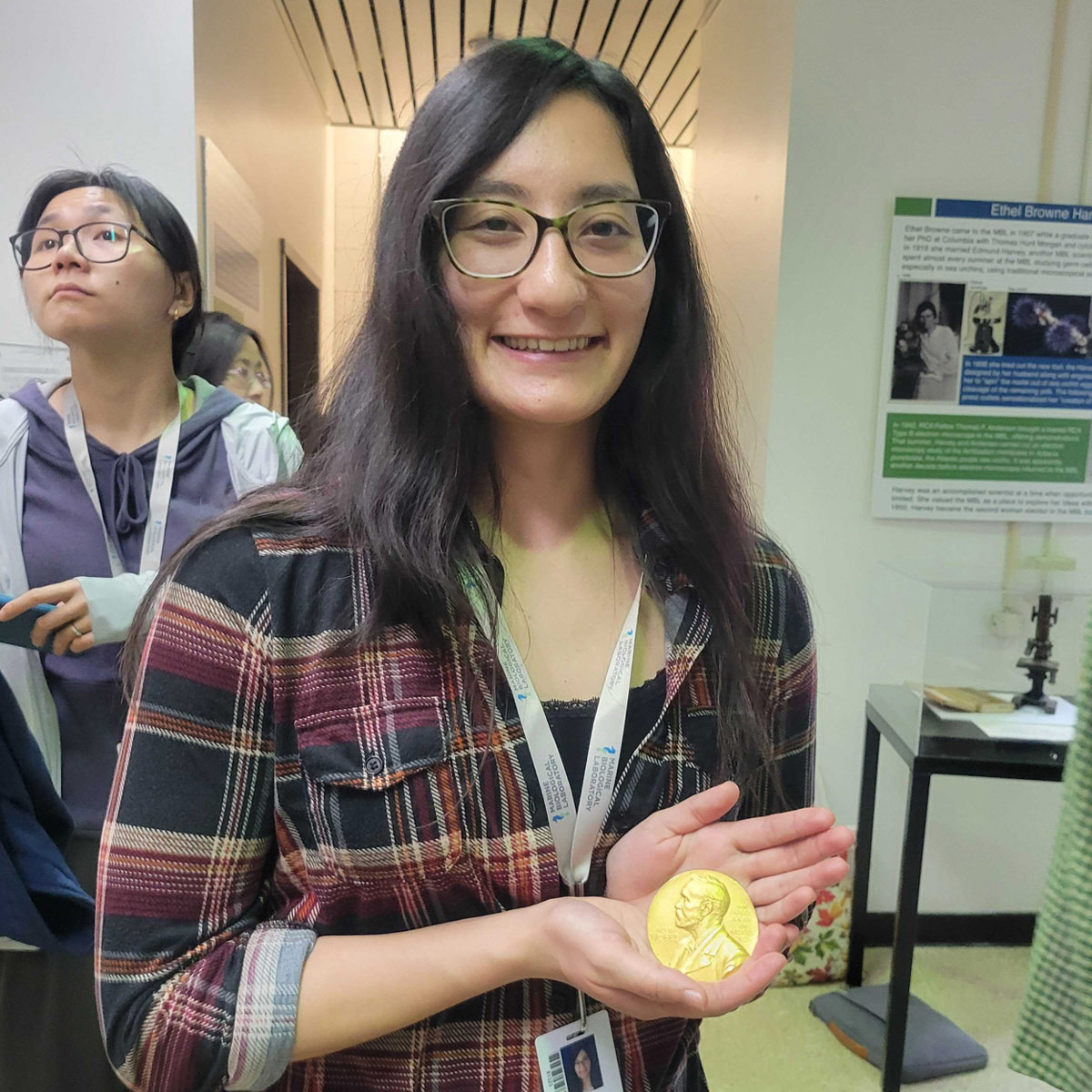
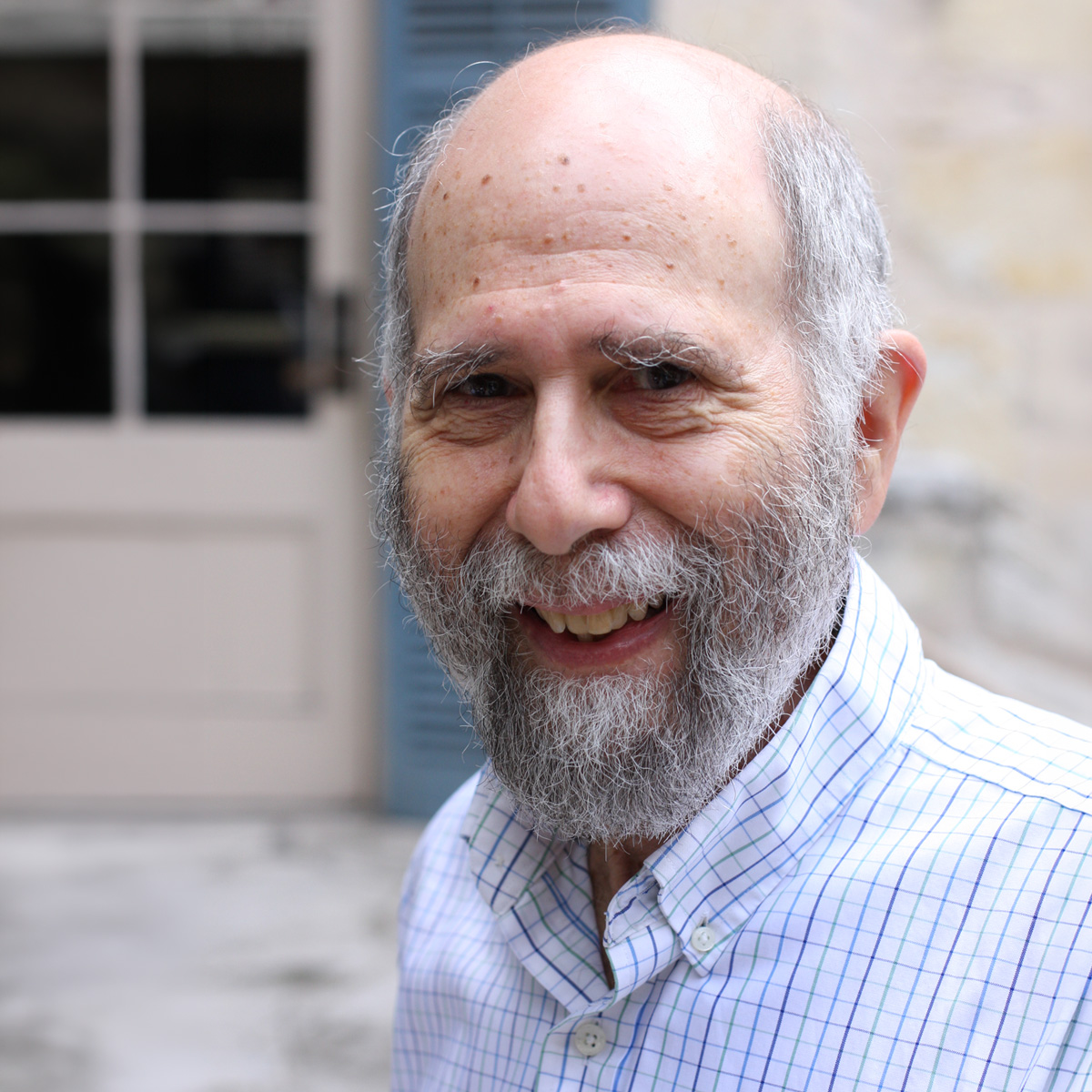
Damayanti Chakraborty, Ph.D., Department of Neuroscience, Developmental and Regenerative Biology
Degrees earned/Where you earned them
I did my BSc. in Presidency College, Calcutta University, India with Physiology (major), Chemistry (additional minor) and Zoology (additional minor). My Msc. Was in Biochemistry from Calcutta University, India. I relocated to USA to pursue PhD in Reproductive and Developmental Biology, from University of Kansas Medical Center, Kansas. This was followed by postdoctoral fellowships from Harvard Medical School, Boston, and University of Oxford, UK.
Please tell us about yourself.
I am an assistant professor in NDRB. I am very interested in cellular heterogeneity and epigenetic pathways that regulate cellular heterogeneity which governs different cell lineage identities during development as well as in diseases like cancer.
What did your journey to UT San Antonio look like? Are you a fixed-term track or tenure track (UT San Antonio Faculty)?
My academic journey encompassed three continents, and I got to interact with scientists from all over the world. I did my BSc. in Presidency College, Calcutta University, India with Physiology (major), Chemistry (additional minor) and Zoology (additional minor). My Msc. Was in Biochemistry from Calcutta University, India. I relocated to USA to pursue PhD. in Reproductive and Developmental Biology, from University of Kansas Medical Center, Kansas. This was followed by postdoctoral fellowships from Harvard Medical School, Boston, and University of Oxford, UK.
What do you enjoy most about your area of study?
I am fascinated by the cellular plasticity and how different cell lineages under distinct epigenetic and transcriptional programs can evolve to acquire very different cell fates and developmental trajectories. One such plastic cell type are the cells of the temporary organ placenta. Placenta connects the mother to the baby and interestingly new research directions point out to its broader role of regulating adult-onset diseases like neurodevelopmental disorders, cardiovascular complications and obesity. What is also fascinating is that the early lineages of placenta exhibit similar regulatory programs as can be observed in cancer cells. My research plans to decipher these conserved mechanisms which are observed in very early developmental lineages as well as in diseased states like cancer.
What are some of the most notable research projects that you’ve been involved in?
I have been always fascinated by cellular variety and heterogeneity and that took me to projects ranging from looking into immune cell populations during pregnancy which led to my fascination with epigenetic pathways (pathways that are dependent on genetic modifications that modulate gene activity without altering the DNA sequence) in cellular variety and heterogeneity during early development of placenta, followed by studying epigenetic regulation of cancer cell heterogeneity. These projects led to fundamental scientific discoveries which were reported in a variety of publications and generated successful grant proposals.
What do you enjoy the most about your job?
I love that there is a constant cycle of learning new things and there is no possibility of stagnation in my job. Also, you get to meet fellow scientists from all over the world and that experience is very enriching and rewarding. And finally, there is a lot of satisfaction in training new generations of scientists at various career levels and seeing them succeed.
What has been the most rewarding part of your work in this role?
Making elective decisions to choose my area of research and having complete freedom to chase any research questions have been the most rewarding part as an assistant professor. Down that line, as the research program grows further, it will be exciting to train next generation of successful scientists who will carry on my scientific lineage.
How would you spend your ideal Saturday?
My ideal Saturday will be waking up late, having a nice cup of coffee and a very slow morning. Then finish up some research work in the lab or office to set myself up for the upcoming week, followed by a late lunch somewhere new and exciting, ending up with a great independent movie and a nice glass of wine.
What are your book recommendations?
A Genetic Switch by Mark Ptashne. Very early in my career, I got to read about the concept of transcriptional regulation from this book which was based on phage Lambda biology. I was not very sure at the time what my career trajectory would be, quite frankly! But this book was an eye opener. It is very lucid, very easy read and really fascinating, describing some pioneering historical work on gene regulation.
— College of Sciences
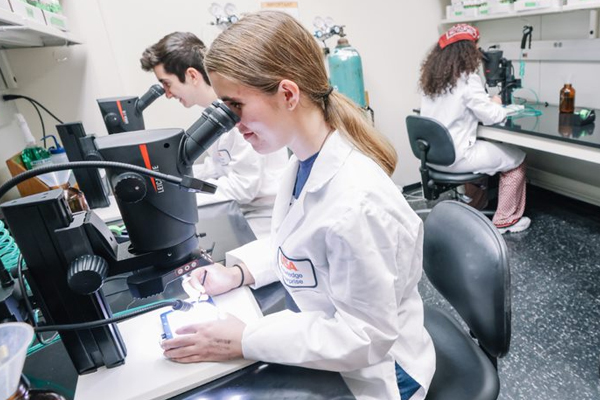
Explore the NDRB Department!
Conducting high-impact, internationally recognized research in the areas of neuroscience and developmental and regenerative biology while educating and training the next generation of leaders in biological sciences.
Recent NDRB Spotlights
View More Spotlights