
Posted on September 18, 2026 by College of Sciences
#ThisIsWhatAScientistLooksLike
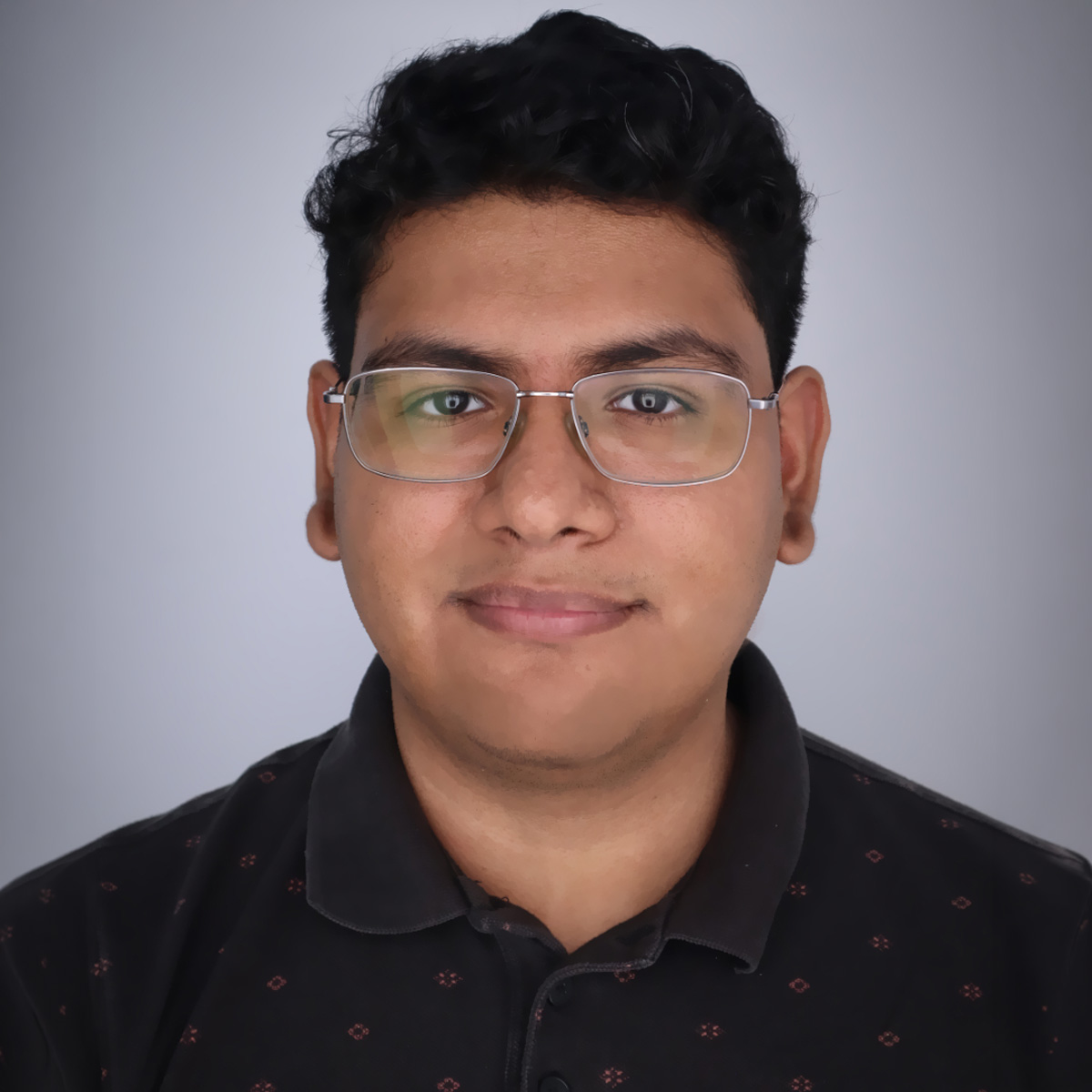
Aldo Romero Vásquez Briceño, Physics Ph.D. Student
By Christina Calvo
Meet Aldo Romero Vásquez Briceño, a physics PhD student at UT San Antonio, who has always wondered why.
Why do things fall to the ground? Why are planes able to fly? Why do planets orbit around other celestial bodies? In high school, Aldo found the discipline that held the answers to these questions: physics.
In 2018, Aldo took his father's advice and left his hometown in Tamaulipas, Mexico, in pursuit of answering more questions about how Earth and the universe operate. This led him to becoming a physics major at UT San Antonio.
"The value delivered by an education at UT San Antonio is unrivaled," said Aldo, "An affordable university with access to many opportunities after graduating is what makes UT San Antonio stand out."
UT San Antonio has provided Aldo with many opportunities during his time as a student. Aldo helped form a section of the Society for Physics Students. He was awarded a competitive fellowship by the Office of Science Graduate Student Research (SCGSR) Program through the U.S. Department of Energy. Through this fellowship, Aldo conducted research for his dissertation at the Oak Ridge National Laboratory in Tennessee. He served as a judge for the Presidential AI Challenge, a competition for K–12 students that challenged them to solve a community concern with AI. Aldo was also involved in UT San Antonio's Mariachi Los Paisanos ensemble for over four years.
Aldo's research has also brought him to international labs. Through a subprogram of SCGRS, Aldo had the opportunity to travel to Kobe, Japan to continue his research at the RIKEN Center for Computational Sciences. There, he studied how water molecules sit inside the binding pocket of cryptochrome proteins. Cryptochrome proteins help run our inner circadian body clock. Understanding the patterns between water and cryptochrome proteins could help scientists design better medications. This could eventually lead to new treatments for circadian-related issues like sleep disorders.
One challenge that Aldo faced in his time at UT San Antonio was continuing his undergrad during the COVID-19 pandemic.
"Just like everyone else, adapting to a new lifestyle of being indoors, isolated from everyone and only interacting through screens put a toll on everyone's mental health," Aldo said. "Despite this, the support I received from the UT San Antonio community, friends, family, and my peers helped overcome this challenge."
This same community later contributed to Aldo's success as a doctoral student. From free lunches after Friday seminars to the supportive faculty in the physics department, Aldo found his place at the university. He specifically names Rafael López-Mobilia, PhD, professor of instruction and practice, as a faculty member who had interesting classes and an approachable nature for any student in need.
Additionally, Aldo has contributed to several research projects during his time at UT San Antonio. He worked in two labs as an undergraduate student. His first lab experience was in the Computational Soft Condensed Matter Lab, where Aldo worked on particle-based simulations of chlorophyll, a green pigment found in plants that absorb sunlight for photosynthesis. In the MEMS Lab, he assisted in the synthesis and characterization of graphene quantum dots (GQDs), tiny carbon nanoparticles that are used for medical imaging, energy storage, and sensors. These lab experiences solidified his decision to pursue a PhD in physics and his research focus for his dissertation.
"My research centers on polymers at liquid-liquid interfaces," Aldo explained. "Polymers are made up of repeating units called monomers. They are ubiquitous in modern life, found in plastics, medicines, paints, cosmetics, and more."
"This is an important area of research since many products depend on having a water–oil mixture. That without polymers will otherwise result in water and oil separating," added Aldo.
One piece of advice that Aldo received and wishes to pass on to future scientists: try new things and look for opportunities everywhere you go.
"Seeking out opportunities has helped me on my academic journey," said Aldo, "It has introduced me to new people, experiences, and knowledge that I do not think I would have gotten otherwise."
After earning his PhD in physics in December 2026, Aldo plans to continue studying physics in an industrial setting.
— College of Sciences
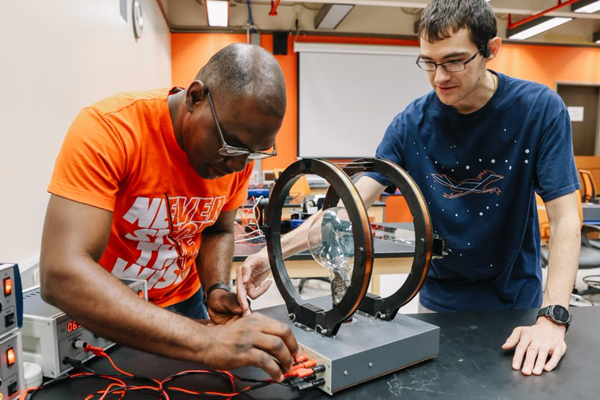
Explore the Physics and Astronomy Department!
Providing students with a solid background in physics and problem-solving skills and equipping them with invaluable research experience to prepare them for their future careers.
Recent Physics and Astronomy Spotlights
View More Spotlights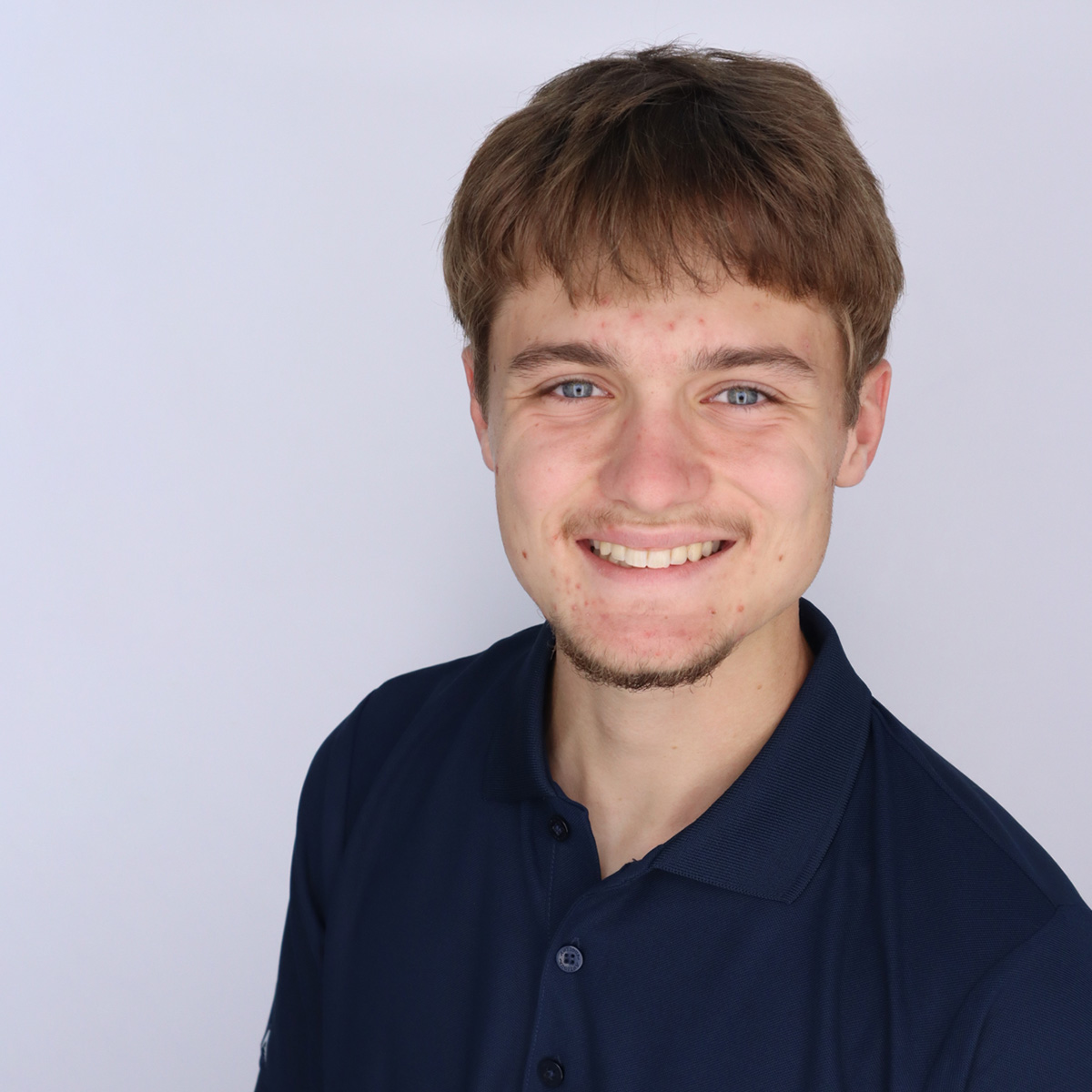
September 18, 2026
Aldo Romero Vásquez BriceñoPublished by College of Sciences
#ThisIsWhatAScientistLooksLike
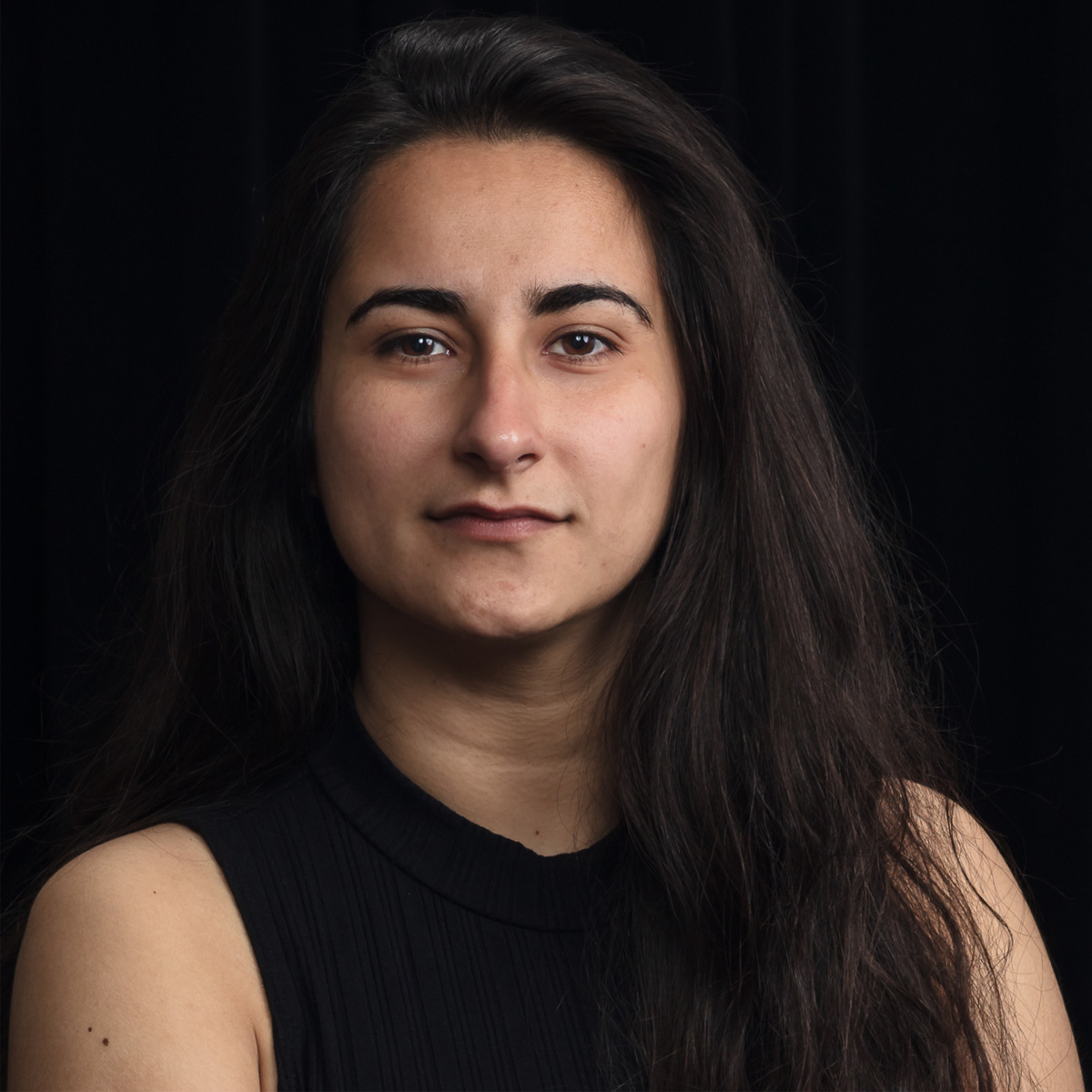
September 19, 2025
Maria Gabriela BoadaPublished by College of Sciences
#ThisIsWhatAScientistLooksLike
