Posted on July 2, 2026 by College of Sciences
#ThisIsWhatAScientistLooksLike
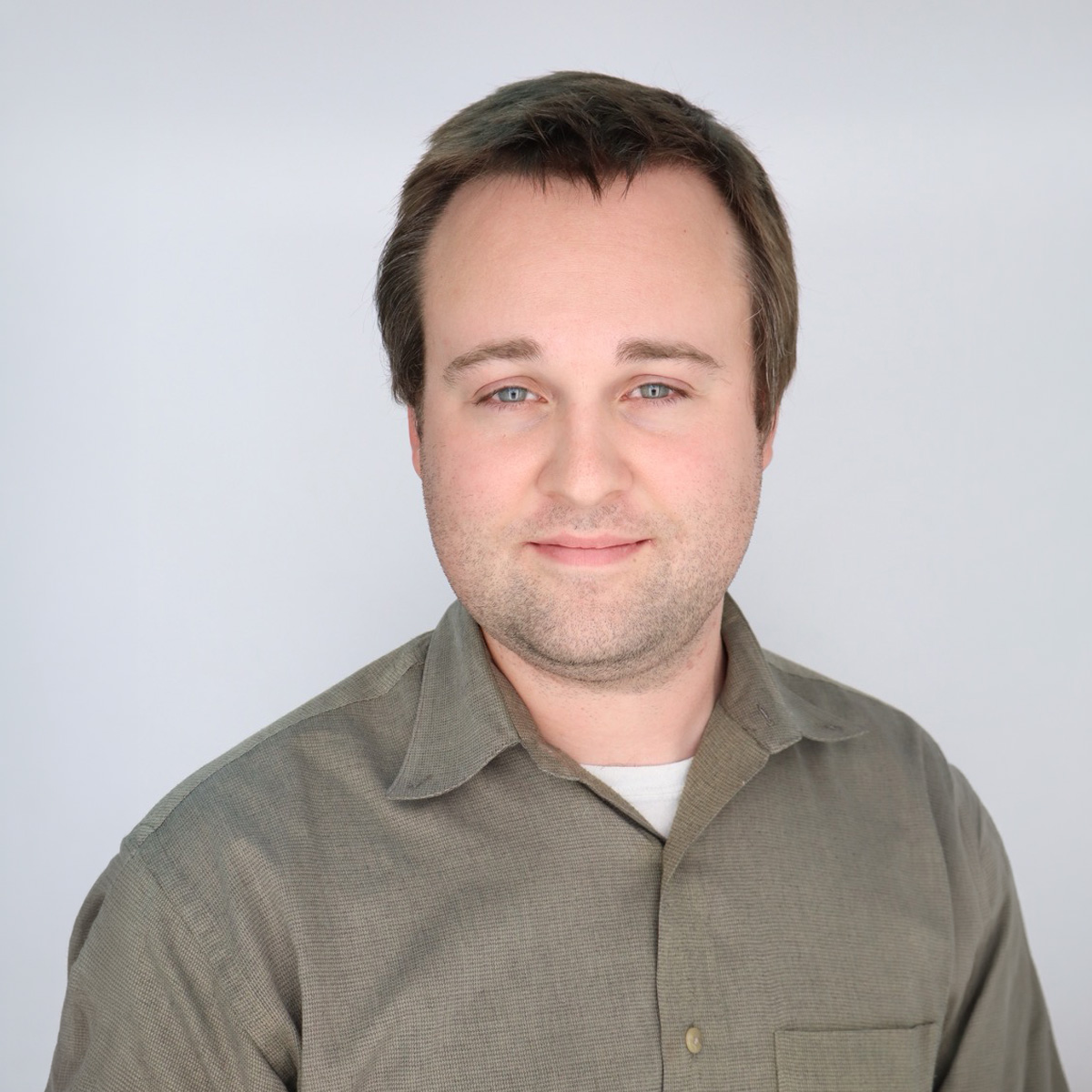
Christopher Campbell, Geosciences Major
By Christina Calvo
The temperature drops, the clouds turn grey, and suddenly hail begins falling from the sky. Do you consider braving the storm to examine the hailstones? Christopher Campbell does.
Meet Christopher Campbell, a geosciences major at UT San Antonio, who is chasing storms and his dreams of becoming a geologist. Christopher Campbell has participated in organizations such as Center for Advanced Measurements in Extreme Environments (CAMEE), Consortium for Institutional Mentoring to the Alliance for Minority Participation (CIMA-LSAMP) and served as the Vice President for Northwest Vista College Science Alliance.
Christopher did not always know that he wanted to be a geologist. It was in a UT San Antonio lab that he found a passion for geoscience.
"I began my academic career as a computer science student at the Alamo Colleges." Christopher said. "Through the CIMA-LSMAP program, I was placed in a UT San Antonio geology lab tasked with building a program to model hailstone samples. I was so intrigued by geological sciences that I changed my major."
For Christopher, this experience was the perfect storm to set him on the path of a scientist. He completed his time at the Alamo Colleges and chose to continue his education at UT San Antonio in 2024.
"UT San Antonio has a vibrant and engaged research community dedicated to sciences." Christopher explained. "With various student involvement programs, students can pursue meaningful scientific research at the early stages of their academic career."
Christopher has had many opportunities for research and discovery. He continued his research on hailstones through 2024. Processing and cataloging the hailstones helped him understand what storms tell scientists about the world.
In early 2026, Christopher began working towards other independent research projects at UT San Antonio. He is exploring the intensity and characteristics of convective storm systems as they interact with the urban heat island (UHI) effect in San Antonio. Christopher has built a python program called "Rowdy's Radar Pro," a program that compares radar intensity data to the distance with the UHI zone.
Christopher credits Hector Aguilar, PhD, associate dean for undergraduate studies and Edith James, program coordinator at the Center of Research and Training in the Sciences (CRTS), for their guidance and assistance in this process. Christopher describes the support that surrounds UT San Antonio.
"Professors and staff are there to help you." Christopher said. "I began my research as a final project in my Fundamentals of Geographic Information System (GIS) course. By developing a close relationship with my professor, I was supported by my department to continue my independent research."
In December 2026, Christopher will be presenting at the American Geophysical Union in San Francisco, California. In the future, he hopes to join a PhD program to further study Geoscience with a concentration in Atmospheric Sciences. Christopher's career goals include joining the National Oceanic & Atmospheric Administration (NOAA) Corps or working in a federal or private sector.
"When people hear 'geology' they automatically think of rocks." Christopher said. "But it is so much more than that. Geology spans from the study of volcanoes to using satellites to observe the biodiversity of the oceans. Pursue your dream. Brick walls exist to stop you. UT San Antonio will provide you with the climbing gear to overcome that brick wall."
— College of Sciences
Explore the EPS Department!
With research centers such as the Center for Advanced Measurement in Extreme Environments and the Institute for Water Research, Sustainability and Policy, students have access to diverse research opportunities to foster their education.
Recent EPS Spotlights
View More Spotlights